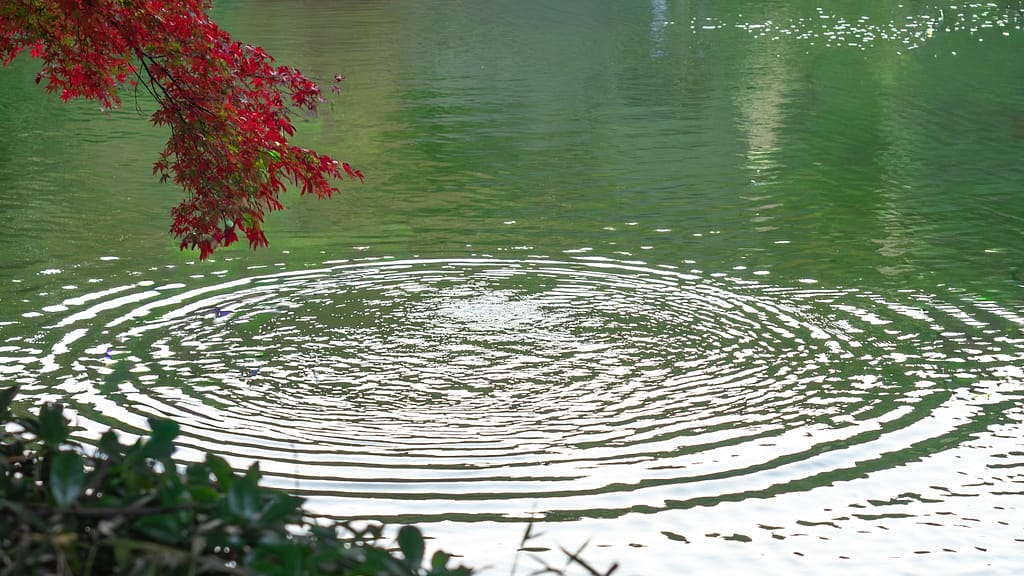
Elegant simplicity (sabi) as an ideal state in Haiku (poems in seventeen syllables) especially expressed by Matsuo Bashō (1644-1694) in Edo Period authored by Toshiyuki Namai
Elegant simplicity (sabi) as an ideal state in Haiku (poems in seventeen syllables) especially expressed by Matsuo Bashō (1644-1694) in Edo Period authored by Toshiyuki Namai
    Elegant simplicity (sabi) delicately pursues well-seasoned value and refined simplicity which profoundly perform an ideal state in Haiku (poems in seventeen syllables) especially expressed by Matsuo Bashō (1644-1694) in Edo Period.
    As a matter of literature between the two languages, Japanese and English, there is no appropriate word which exactly expresses the concept, sabi in English. However, you are comparatively guided to know that the concept, sabi exists in the mental state of an individual who naturally enjoys “plain living and high thinking.”
    As for you to concern the concept, elegant simplicity some more, you are instructed to imagine a pond in the silent Japanese garden deeply. If you are a delicate person, you will imagine something beautiful aesthetically in your heart.
     Two questions regarding elegant simplicity are hereinafter given to you as follows: 1) Can you imagine some sort of well-seasoned value in front of the pond in the Japanese garden through experiencing the profound mood of tranquility yourself?; 2) Do you deeply feel spiritual gorgeousness in your heart in the presence of what is called refined simplicity in the garden imagined?
    For you to substantially feel and understand those two concepts, subtle taste and elegant simplicity, it is absolutely indispensable for you to sharpen your “perceptibility” by inches.